


Hey there! I'm a supplier of 200ml honey jars, and I know how crucial it is to ensure the hygiene of these little containers. Honey is a natural and delicious product, but if the jars aren't clean, it can affect the quality and safety of the honey. So, let's dive into how we can make sure those 200ml honey jars are as hygienic as possible.

1. Raw Material Selection
The first step in ensuring the hygiene of 200ml honey jars starts with the raw materials. We need to choose high - quality materials that are food - grade and safe for storing honey. For us suppliers, it's non - negotiable to source materials from reliable manufacturers.
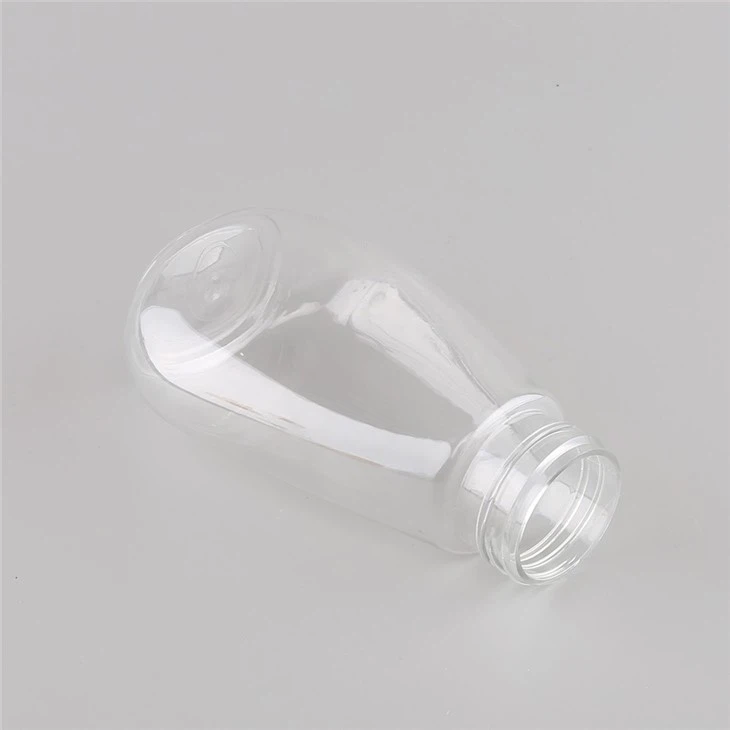
Plastic is a popular choice for honey jars, and there are various types of plastic that can be used. When we talk about plastic honey jars, we need to make sure they are made from materials like PET (polyethylene terephthalate). PET is a great option because it's lightweight, shatter - resistant, and has good barrier properties against oxygen and moisture. You can check out our Plastic Honey Jars for more details on the types of plastic jars we offer.
2. Manufacturing Process Hygiene
During the manufacturing process, strict hygiene standards must be followed. The production facilities need to be clean and free from contaminants. Workers should wear appropriate protective clothing, such as gloves, hairnets, and masks, to prevent any hair, skin particles, or other impurities from getting into the jars.
The machinery used to make the jars also needs regular cleaning and maintenance. For example, the molds used in the injection - molding process can accumulate dirt and debris over time. If not cleaned properly, it can transfer to the jars. So, we have a schedule for deep - cleaning all the equipment to keep the manufacturing process as clean as possible.
3. Cleaning Before Filling
Once the jars are manufactured, they need a thorough cleaning before filling them with honey. This involves a multi - step process.
First, we use a high - pressure water rinse to remove any loose particles on the surface of the jars. Then, we soak the jars in a mild detergent solution. The detergent helps to break down any grease or dirt that might be present. After the soak, we give the jars another rinse with clean water to remove the detergent residue.
Finally, we use a sanitizing agent. This can be a food - grade sanitizer that kills bacteria, viruses, and other microorganisms. We make sure the jars are completely dry before filling them with honey because any remaining water can cause the honey to ferment.
4. Filling Environment
The environment where the honey is filled into the 200ml jars is also super important. The filling area should be a cleanroom environment. This means that the air is filtered to remove dust and other airborne particles. The temperature and humidity in the filling area are also controlled. High humidity can cause the honey to absorb moisture, which can lead to spoilage.
The filling equipment should be clean and sanitized regularly. For example, the nozzles that dispense the honey into the jars can get clogged with honey over time. If not cleaned, it can contaminate the next batch of honey. So, we have procedures in place to clean the filling equipment after each use.
5. Sealing and Packaging
After filling the jars with honey, proper sealing is essential to maintain hygiene. We use high - quality lids that create an airtight seal. This prevents air, moisture, and other contaminants from getting into the jars.
The type of lid can vary. For our 8oz Plastic Honey Bottle, we offer different lid options, such as screw - on lids and flip - top lids. Each lid is designed to fit tightly on the jar.
Once the jars are sealed, we move on to packaging. We use clean packaging materials, such as cardboard boxes or shrink - wrap. The packaging not only protects the jars during transportation but also keeps them clean until they reach the end - user.
6. Storage and Transportation
When it comes to storage and transportation of the 200ml honey jars, we have some key considerations. The storage area should be clean, dry, and well - ventilated. We store the jars on pallets to keep them off the floor, reducing the risk of contamination from dust and dirt.
During transportation, we use clean vehicles. If the jars are being shipped long - distance, we make sure the containers or trucks are properly cleaned before loading the honey jars. We also take measures to prevent temperature fluctuations, as extreme temperatures can affect the quality of the honey and the integrity of the jars.
7. Quality Control Checks
We conduct regular quality control checks throughout the entire process. From the raw materials to the final packaged product, we have a team of quality control inspectors. They use various methods to ensure the hygiene of the 200ml honey jars.
For example, they might take samples of the jars and test them for the presence of bacteria or other contaminants. They also check the seals on the jars to make sure they are intact. If any issues are found, we take immediate action to correct them.
8. Customer Education
As a supplier, we also believe in educating our customers about how to maintain the hygiene of the honey jars once they receive them. We provide instructions on how to store the honey properly, such as keeping it in a cool, dry place. We also let them know that if they plan to reuse the jars, they should clean them thoroughly with hot, soapy water and sanitize them before refilling.
If you're interested in our Honey Squeeze Bottle, 350ml Plastic Honey Bottle or other Honey Storage Container, and you've got questions about hygiene or want to discuss a purchase, don't hesitate to reach out. We're here to offer you the best solutions and products to meet your needs.
In conclusion, ensuring the hygiene of 200ml honey jars is a multi - step process that involves everything from raw material selection to customer education. By following strict standards at every stage, we can make sure that the honey in our jars stays fresh, safe, and delicious.
References
- "Food Packaging: Principles and Practice" by Yam, K. L., & Lee, S. Y.
- "Honey: Production, Composition, and Uses" by Bogdanov, S., & Martin, P.


