


PLASTIC BOX
YUEKANG PLASTIC has been in the manufacturing variety of plastic packaging containers for more than 30 years. with advanced injection molding, blow molding, blister molding technology and other production equipment.We also have a group of professional and strong technicall teams so that we can provide you more valuable suggestions and quality goods on plastic containers.
We could provide hundreds of plastic containers for industries of Food and Beverage, Health and Beauty, Nutraceuticals, Pharmaceutical, it's widely used in some products such as canning food, dried fruit, liquid, seasoning powder, dietary supplement and so on.
Why Choose Us
High Quality
We use our plastic packaging products and services to help you make more money . increasing sales, decreasing costs, and improving productivity.
Competitive Price
We Yuekang strive to provide customers with the perfect product with high-quality products, exceptional customer service, and competitive pricing.
Professional Team
We make it a point to quantify the value we bring to our customers. We conduct regular Customer Business Reviews where we demonstrate the Positive Income Impact of working with YUEKANG PLASTIC.
Production Market
North America 15%,Southeast Asia Confidential 10%,Mid East 10% Africa 5%,Domestic Market Confidential 60%
Brand business, Retailer, Engineer, Wholesaler, Manufacturer, For Private use


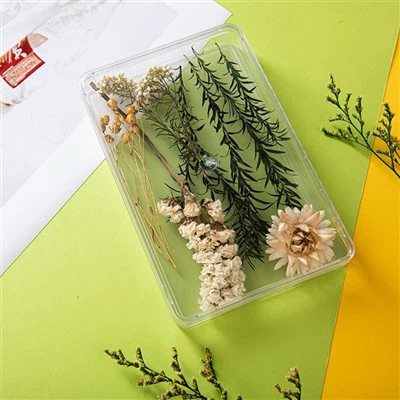
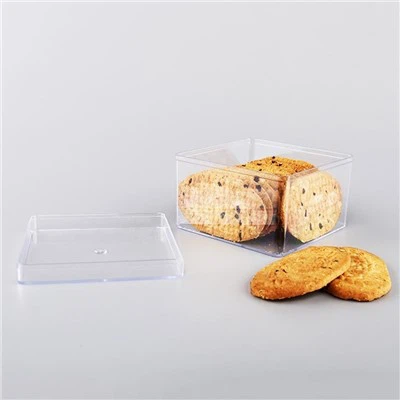


This plastic candy box is a perfect storage solution for your sweet treats. Made of durable and high-quality plastic, it features a clear design that lets you see what's inside without opening it. The lid snaps securely onto the base, keeping your candy fresh and protected from dust and debris. The box has a compact size and can hold a generous amount of candy, making it ideal for storing on your kitchen countertop or in your pantry.

Custom plastic bottles are bottles made of high or low-density plastic, such as polyethylene terephthalate (PET), polyethylene (PE), polypropylene (PP), polycarbonate (PC), or polyvinyl chloride (PVC).custom plastic bottles have many advantages such as being lightweight, cheap, easy to shape and hard to break.
Plastic goes through a manufacturing process to end up as bottles for liquid substances such as milk, soda, motor oil and shampoo, and for dry products such as medications and nutritional supplements.
Benefits of Custom Plastic Bottles
PET, including other bottle material types, are easily recycled after their initial usage. They can be remade into a variety of secondary goods. Some beverage bottles and nonfood containers are also made from recycled plastic. custom plastic bottles' small weight reduces the cost of transporting recyclables to recycling centers.
Plastic products are easy to shape into a variety of bottle forms, which improves their appearance and usefulness. Some varieties of custom plastic bottles, for example, include inbuilt handles, measuring indications, and pouring lips. Furthermore, plastics can range from clear to any shade or color, whether translucent or opaque. This makes products and branding easily identifiable by sight. Thus, custom plastic bottles do not need painting since the coloring substance is mixed into the plastic resin. It is not prone to rub or wash off.
Custom plastic bottles are lighter than glass bottles, which saves energy and money when shipping products. custom plastic bottles require less energy to produce than glass bottles because plastics are soft and have relatively low melting temperatures.
Unlike glass containers, custom plastic bottles are robust and sturdy. When dropped, they do not shatter into sharp fragments. This makes products and packaging safe to handle. Plastics have important physical features such as toughness and chemical resistance because they are polymers (large molecules formed by connecting numerous small molecules). Bottles and containers made from plastic are impervious to leaks and bursts, preserving both the contents and the outer transportation containers.
What Are the Raw Materials of custom plastic bottles?
“A plastic bottle made of polyethylene terephthalate has the resin identification code 1. Also known as PET, PETE or polyester, it is often used for carbonated beverages, water and food products because it is strong and light. Like most plastics, PET is made from petroleum hydrocarbons, formed as a reaction between ethylene glycol, a colorless viscous hygroscopic liquid, and terephthalic acid, an organic compound. During the production process, PET polymerizes to form long molecular chains.
High-Density Polyethylene
“The resin identification code 2 denotes high-density polyethylene (HDPE). It is economical and yields an efficient moisture barrier, making it the most widely used material for custom plastic bottles. It is made from petroleum, a naturally occurring liquid found in geological formations beneath the Earth’s surface. HDPE is resistant to many solvents and has a high density-to-strength ratio, making it the ideal plastic for reusable and recyclable bottles. It is also used to make pipes, lumber, fireworks and plastic bags.
Low-Density Polyethylene
“Low-density polyethylene (LDPE) has a similar makeup to HDPE but is more translucent, less chemically resistant and less rigid. LDPE, which has the resin identification code 4, is made from the monomer ethylene and is most commonly used to make plastic bags, but it can also be found in detergent bottles, dispensing bottles, and squeezable bottles for foodstuffs like honey and mustard.
Polystyrene
“Polystyrene (PS) is a synthetic aromatic polymer made from the monomer styrene. It may come solid or foamed and has the resin identification code 6. As a rigid plastic with an excellent moisture barrier and low thermal conductivity, PS is often used to make bottles for dry products, such as vitamins and aspirin. Some milk and yogurt drinks may also come in PS bottles.”
Things Custom Plastic Bottles Can be Turned Into


When it comes to plastic recycling, balers are particularly useful in compacting custom plastic bottles, containers, packaging materials, and other types of plastic waste. The process involves feeding the plastic materials into the baler, where they are compressed and shaped into dense bales. These bales can then be transported to recycling centers or facilities for further processing, reducing the volume of the plastic waste and making it more efficient to handle and transport.
Custom plastic bottles can be recycled and turned into a wide range of products, helping to reduce their environmental impact and promote sustainability. The recycling process involves collecting, sorting, cleaning, and processing the bottles into new materials. Some of the common items that custom plastic bottles can be turned into include:
1. Recycled custom plastic bottles: They can be processed and converted into new custom plastic bottles, reducing the need for virgin plastic production.
2. Polyester fibers: They can be transformed into polyester fibers, which are used to make clothing, blankets, carpets, and other textiles.
3. Fleece jackets and clothing: Recycled polyester fibers from custom plastic bottles are commonly used to create fleece fabric, which is widely used in outdoor clothing.
4. Recycled plastic lumber: Custom plastic bottles can be converted into plastic lumber, which is used for outdoor furniture, decking, and other construction applications.
5. PET strapping: The recycled PET (polyethylene terephthalate) from bottles can be used to make PET strapping, commonly used for securing packages and shipments.
6. Packaging materials: Recycled custom plastic bottles can be processed into various packaging materials, such as containers, trays, and clamshells.
7. Fiberfill for pillows and cushions: The fibers from recycled custom plastic bottles can be used as filling material for pillows, cushions, and stuffed toys.
8. Insulation materials: Some eco-friendly building insulation products are made from recycled custom plastic bottles.
9. Tote bags and reusable shopping bags: Recycled plastic can be transformed into strong and durable tote bags, reducing the need for single-use plastic bags.
10. Automotive parts: They can be used in manufacturing certain automotive components like car bumpers and interior parts.
Best Uses of custom plastic bottles
Watering Cans for Gardening
Custom plastic bottles can be repurposed into makeshift watering cans for your garden. Simply poke small holes in the bottle cap and fill the bottle with water. This eco-friendly watering can is ideal for nurturing your plants and conserving water. Kids can take part in garden care and understand the importance of resourcefulness and sustainability.
Bird Feeders for Feathered Friends
Invite birds to your backyard by creating bird feeders from custom plastic bottles. By cutting out openings and filling the bottle with bird seeds, you can attract a variety of feathered friends. Kids will delight in observing and learning about different bird species while adults can find joy in creating a bird-friendly environment.
Creative Arts and Crafts
Custom plastic bottles offer a treasure trove of materials for arts and crafts projects. From making colorful wind chimes to crafting DIY piggy banks, the possibilities are endless. Kids can let their creativity soar while turning waste into wonderful masterpieces. Adults can also indulge in crafting unique home decor items, reducing waste and adding a personal touch to their living spaces.
Organizers for Home and Office
Tame the clutter at home and office by using custom plastic bottles as organizers. Cut custom plastic bottles into different sizes and use them to store stationery, makeup brushes, or small household items. By upcycling custom plastic bottles, you’ll not only declutter your space but also minimize your environmental footprint.
Water Bottle Recycling
The most fundamental use of custom plastic bottles is proper recycling. Encourage kids and adults to dispose of custom plastic bottles responsibly by recycling them. By doing so, we contribute to reducing plastic pollution and conserving valuable resources.
Custom Plastic Bottles Making Process
PET is a plastic resin derived from petroleum hydrocarbons. The producer creates long chains of plastic molecules through a process called polymerization, and then mixes the material with several chemical compounds. They cut the resin into small pellets and send it on to the bottle manufacturer. The bottle plant mixes PET resin pellets with "regrind" -- recycled plastic that has been reduced to flakes. Plastic loses some of its physical properties when repeatedly heated, so manufacturers must limit the amount of regrind they use, typically capping this ingredient at 10% of the total mix. Unless producing clear bottles, dyes are introduced to the mix as well.
An extruder melts the PET and regrind mix at temperatures of about 500 degrees Fahrenheit. A screw inside the extruder compresses the PET mix and injects the nearly molten material into molds. The mold produces a bottle preform, which is sometimes called a parison. The preform looks like a thick-walled test tube, often including the bottle’s characteristic screw top. The preform cools as it travels to a machine called a blow molder, and may need to be brought back up to the manufacturer’s specified temperature for that operation. If necessary, the bottle manufacturer raises the temperature of the preform in a small oven.
The preforms enter a two-part mold that closes around it. The inside of this mold is shaped exactly like the finished bottle. Inside, a long needle pushes up through the preform, which is suspended with the screw end facing downward. The needle stretches the preform upward toward the top of the mold -- which will be the bottom of the bottle -- and simultaneously blasts enough pressurized air into the preform to force it against the sides of the mold. This stretch blow molding process must happen quickly in order to maintain the bottle’s integrity and consistent shape. Some manufacturers weld a separate bottom piece to the bottle during blow molding, while others produce a bottom from the preform along with the rest of the bottle.
The bottle must be cooled almost instantly or it will lose its shape when gravity causes it to creep downward in its malleable, heated state. Some manufacturers cool the bottle by circulating cold water or liquid nitrogen through the mold, others elect to fill it with a shot of air at room temperature. The mold typically yields a clean bottle, but some flashing may occur at the bottle seams, where the two mold halves met. If so, operators trim away the excess material and add it to the regrind.
How to Recycle Custom Plastic Bottles
Leave the Caps On
It’s common when someone thinks about how to recycle custom plastic bottles, they want to remove the caps. Water bottle caps are only recyclable in most municipalities if they are twisted tightly onto the bottle. Separated caps wreak havoc on equipment, sending them to the landfill or stalling production. To prevent this, always replace the cap once you have finished drinking your water.
Do Not Crush Your Bottle
Regrettably, we made the mistake of crushing our bottles at home for years. Initially, this decision seemed sensible. Smaller bottles occupy less space in the truck, increasing curbside pick-up efficiency. We even recommended this approach to our customers. However, our perspective changed when the Cuyahoga County Solid Waste District pointed out our error. If the bottles are crushed, the sensor at the recycling facility may fail to recognize them as bottles. Therefore, we stand corrected: it is advised not to crush your bottles for recycling. Instead, ensure they are as dry as possible, securely tighten the cap, and do not bag them.
No Need to Rinse
Although other bottles, cans and jars should be rinsed, there is no need to do so with water bottles. While there’s no need to clean them, they should be emptied and free of any noticeable liquid.
Don’t Bag ’Em
When you recycle custom plastic bottles, remember to not place your water bottles in a bag or any other recyclables for that matter. Bagged items prevent the process from being completed properly or slow down the system. It might seem like you’re making things more convenient for the recycling plant, but that’s not the case. The bags cannot be recycled and will rob processing plants of man-hours removing them. Water bottles should be placed in your recycling bin or a public bin free of any confinements.
Our Factory
YUEKANG factory has 5,000 square meters buliding with Class C GMP cleanroom workshop ,In this special air pressured cleanroom, we produce all our food grade PET packaging.


Our Certificate


FAQ
As one of the most professional plastic candy box manufacturers and suppliers in China, we're featured by quality products and good service. Please rest assured to wholesale customized plastic candy box at competitive price from our factory.
Round Candy Box, Square Cookies Box, PS Box