


Hand Sanitizer Bottles
YUEKANG PLASTIC has been in the manufacturing variety of plastic packaging containers for more than 30 years. with advanced injection molding, blow molding, blister molding technology and other production equipment.We also have a group of professional and strong technicall teams so that we can provide you more valuable suggestions and quality goods on plastic containers.
We could provide hundreds of plastic containers for industries of Food and Beverage, Health and Beauty, Nutraceuticals, Pharmaceutical, it's widely used in some products such as canning food, dried fruit, liquid, seasoning powder, dietary supplement and so on.
Why Choose Us
High Quality
We use our plastic packaging products and services to help you make more money . increasing sales, decreasing costs, and improving productivity.
Competitive Price
We Yuekang strive to provide customers with the perfect product with high-quality products, exceptional customer service, and competitive pricing.
Professional Team
We make it a point to quantify the value we bring to our customers. We conduct regular Customer Business Reviews where we demonstrate the Positive Income Impact of working with YUEKANG PLASTIC.
Production Market
North America 15%,Southeast Asia Confidential 10%,Mid East 10% Africa 5%,Domestic Market Confidential 60%
Brand business, Retailer, Engineer, Wholesaler, Manufacturer, For Private use


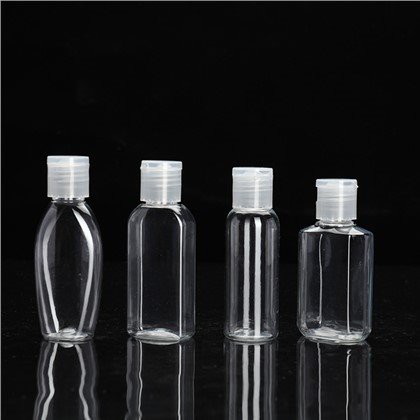


Hand sanitizer bottles come in different shapes and sizes, with most being small and compact for easy storage. The bottles are usually made of plastic and are designed to be easy to use, with a nozzle or pump for dispensing the sanitizer. Some bottles come with a clip or lanyard for attaching to a bag or keychain, making it convenient to carry around.

On a plastic spray bottles, the trigger lever, pump and one-way valves work together to create a pressurized spray.
A piston and cylinder mechanism, activated by pulling the trigger, force liquid up from the reservoir through a nozzle.
The design usess one-way valves to ensure fluid flows in a single direction during operation, maintaining the suction required for the spray and preventing backflow into the reservoir.
plastic spray bottless are an extremely useful type of machine and an excellent demonstration of basic plumbing principles. A spray-bottle head is made up of only a few parts. It has a trigger lever, which activates a small pump. This pump is attached to a plastic tube that draws cleaning fluid from the bottom of the reservoir.
Benefits of Plastic Spray Bottle
Material
Plastic spray bottles are typically made of plastic, glass or metal. Plastic is lightweight and affordable, but may not be as durable as glass or metal. Glass is heavier and more fragile, but it is also reusable and can be more environmentally friendly. Metal bottles are durable and can withstand high temperatures, but they may be heavier and more expensive than plastic or glass.
Size
Plastic spray bottles come in a range of sizes, so it's important to consider what you will be using the bottle for. If you plan to use it for cleaning solutions, a larger bottle may be more practical. For personal use or traveling, a smaller bottle may be more appropriate.
Spray Nozzle
The type of spray nozzle is also important. Some plastic spray bottles have adjustable nozzles that allow you to change the spray pattern, while others have a fixed nozzle. Some nozzles are also designed to create a fine mist, while others create a stream or spray.
Purpose
Consider what you'll be using the spray bottle for. If you plan to use it for cleaning, look for a bottle with a sturdy construction and a nozzle that can handle harsh chemicals. If you plan to use it for watering plants, look for a bottle with a spray nozzle that can produce a gentle mist.
Type of Plastic Spray Bottles
Continuous Spray Bottles:
These bottles are equipped with a pump mechanism that creates a continuous, pressurized spray without the need for multiple trigger pulls. They are commonly used for hair styling products, skincare mists, and other applications that require a prolonged and continuous spray.
Trigger Spray Bottles:
These bottles have a trigger mechanism connected to a small tube that draws liquid from the container and sprays it when squeezed. They are commonly used for cleaning solutions, gardening pesticides, and general-purpose household liquids.


Fine Mist Spray Bottles:
These bottles are designed to produce a fine mist of liquid droplets, ensuring even and gentle distribution. They are commonly used for facial toners, plant water sprays, and household air fresheners.
Perfume Glass Bottles/Fragrance Bottles:
Icons of elegance, these glass fragrances in timeless splendor, but note, due to the volatility of the perfume, the perfume glass bottles are designed to be nonrefillable.
The Common Use of Plastic Spray Bottles
Skincare Products: Plastic spray bottless are often used to dispense skincare products like moisturizing liquids, toners, and facial mists. They provide a fine mist that evenly distributes the product on the skin.
Cosmetic products: When it comes to cosmetic products like perfumes, glass is often the material of choice for the bottles. This is because fragrances are quite volatile and glass is the most stable option. Plus, glass bottles have a clear, high-quality look that appeals to customers. And the best part is that glass allows for unique and creative bottle designs, which many cosmetic brands take advantage of to create stunning perfume bottles.
Hair Products:Plastic spray bottless are commonly used for haircare products such as leave-in conditioners, detanglers, hair sprays, and styling products. They help distribute these products evenly and minimize waste.
Sun Care Products:Plastic spray bottless provide a convenient way to achieve even and consistent coverage of sunscreen on the skin. Sunscreen sprays can be applied quickly, which is especially useful when you’re in a hurry to get sun protection before heading outdoors.
Kitchen Use:Plastic spray bottless can be used in the kitchen for various purposes, such as applying cooking oil to pans, misting vegetables with water, or evenly dispensing vinegar or other condiments.
Cleaning Products: Plastic spray bottless are essential for household cleaning. They are used to dispense cleaning solutions, disinfectants, glass cleaners, and other cleaning agents. The spray helps target specific areas and control the amount of product used.
How Does a Plastic Spray Bottles Work: A Simple Explanation
Role of Piston
In a plastic spray bottles, the piston is a critical part of the pump mechanism. When you press the trigger, a spring inside the cylinder is compressed. This stored energy is then released as you let go of the trigger, pushing the piston back to its original position. These two actions—moving the piston into and out of the cylinder—constitute the pump cycle, allowing the liquid to flow through the nozzle.
One-Way Valve
A one-way valve is an integral part of the pump mechanism that ensures the liquid flows only in one direction. When you pull the trigger, the one-way valve opens up, allowing the liquid from the reservoir to enter the pump.
As you release the trigger, the valve closes, preventing the liquid from flowing back into the reservoir. This maintains the pressure differences the pump creates, enabling smooth liquid flow through the nozzle.
Remember, the pump mechanism in a plastic spray bottles, including the piston, spring, and one-way valve, works in harmony to create the desired output of either a fine mist or a concentrated stream of liquid.
Dip Tube
The dip tube is a long, narrow tube that extends from the spray head down into the bottle’s liquid. It allows the sprayer to draw liquid from the bottle and deliver it to the nozzle.
Bottle Body
This is the main container that holds the liquid to be sprayed. It comes in various shapes and sizes, depending on the specific use of the plastic spray bottles. The bottle body is typically made of plastic or glass.
Closure
The closure is the part of the plastic spray bottles that connects the bottle body to the spray mechanism. It often includes threads or other mechanisms to securely attach the spray head to the bottle body.
Cap
The cap is the topmost part of the plastic spray bottles, and it covers the spray mechanism when not in use. The cap helps prevent accidental spraying and keeps the contents of the bottle sealed and protected.
Fine Mist Sprayer
The fine mist sprayer is the key component responsible for atomizing and dispensing the liquid in a fine mist. It consists of several parts, including:
Actuator
The actuator is the part of the sprayer that you press down or trigger to release the spray. It’s often a button or trigger that you press with your finger.
Nozzle
The nozzle is the tiny opening at the top of the spray head. When you press the actuator, the liquid is forced through the nozzle, creating a fine mist.
It’s often useful to restrict flow to only one direction. One simple use case is in a plastic spray bottles. Let’s think of a simplified plastic spray bottles with three main components: the reservoir where we store the fluid, the staging area for the fluid that’s about to be sprayed, and the nozzle that connects it to the space outside where we’ll dispense our fluid. We want to take fluid from the reservoir, put it in the staging area, and dispense it to the outside.
First, as the plunger applies pressure to the fluid, it must move only through the nozzle to the exterior. If the fluid only went back to the reservoir, we would have a simple machine that draws water from its reservoir and pushes it back in. Not very helpful.
Also, when the trigger is drawn back out, it must refill the staging area from the reservoir, not from any fluid from the outside. In the case of a water plastic spray bottles, the outside fluid is air. If it refilled the staging area with air, attempting to spray would just shoot the air back out of the nozzle. This would also be a simple machine that just sprayed a small amount of air.
Now, let’s apply pressure on the left side with a plunger, which causes the fluid on the left to push against the ball. If that pressure is more than the pressure from the right (from the spring and the right fluid), it will push the ball back, allowing some fluid from the left to escape around it through the hole. Fluid now successfully flows from the left to the right. When we stop applying pressure, the pressure from the right once again dominates, and the ball is pushed tightly back against the hole forming a seal.

Plastic Spray Bottless Maintenance and Troubleshooting Tips
To keep your plastic spray bottles working properly, it’s important to perform regular maintenance and troubleshoot any issues that arise. Here are some tips to help you keep your plastic spray bottles in top condition:
Cleaning the plastic spray bottles: Regular cleaning can help prevent clogs and keep your plastic spray bottles working effectively. To clean the bottle, remove the trigger sprayer and rinse the bottle and nozzle with warm, soapy water. Rinse thoroughly and allow to dry before reassembling.
Fixing a Clogged Nozzle: If the nozzle becomes clogged, try soaking it in hot water or using a needle to unclog the opening.
Replacing Parts: If a part of your plastic spray bottles becomes damaged or worn, it may need to be replaced. Most parts, including the trigger sprayer, nozzle, and check valve, can be easily replaced and are available at hardware stores or online.
Adjusting the Nozzle: If you want to adjust the flow or direction of the liquid, you can adjust the nozzle by turning it to the desired position.
Avoiding Corrosion: If you are using a plastic spray bottles with acidic or corrosive liquids, it’s important to choose a bottle made of a material that is resistant to corrosion, such as glass or high-density polyethylene (HDPE).
Our Factory
YUEKANG factory has 5,000 square meters buliding with Class C GMP cleanroom workshop ,In this special air pressured cleanroom, we produce all our food grade PET packaging.


Our Certificate


FAQ
As one of the most professional hand sanitizer bottles manufacturers and suppliers in China, we're featured by quality products and good service. Please rest assured to wholesale customized hand sanitizer bottles at competitive price from our factory.
50ml Plastic Travel Bottles, Hand Sanitizer Bottles, 50ml Palstic Hand Sanitizer Bottles